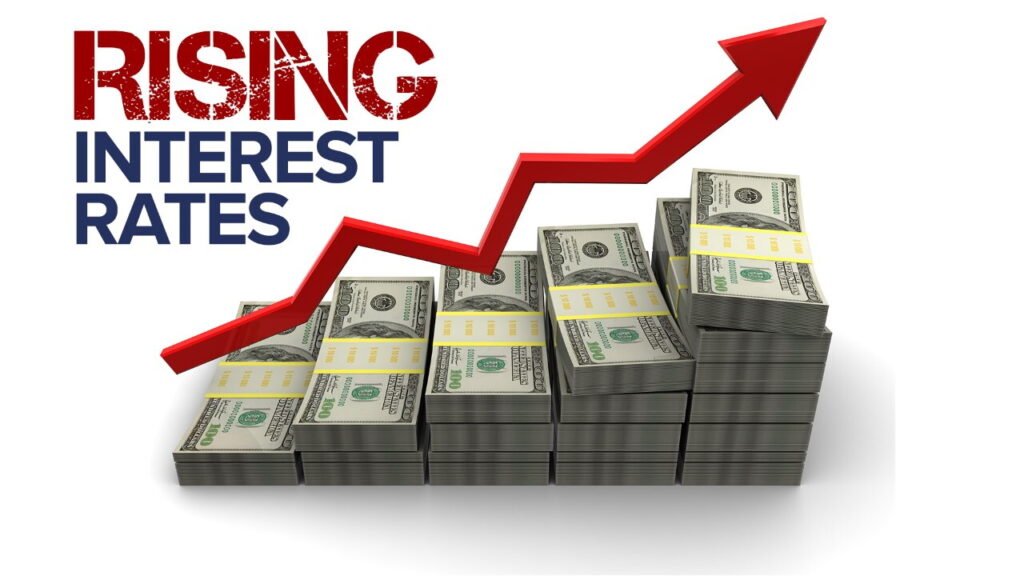
America’s business world is heading into another major interest-rate test. The Federal Reserve began its September policy meeting on Tuesday as inflation remains stubbornly high, oil prices have surged above $100 a barrel and the US 10-year Treasury yield has climbed above 5%. Markets are increasingly expecting the Fed to raise interest rates, creating a fresh challenge for businesses already dealing with higher energy, borrowing and supply-chain costs.
Why It Matters
Interest rates can sound like a Wall Street story, but the Federal Reserve’s decision reaches almost every part of the American economy.
Higher rates increase the cost of borrowing for companies, make financing expansion more expensive and can pressure consumers by increasing the cost of mortgages, credit cards and other loans.
The timing is particularly important.
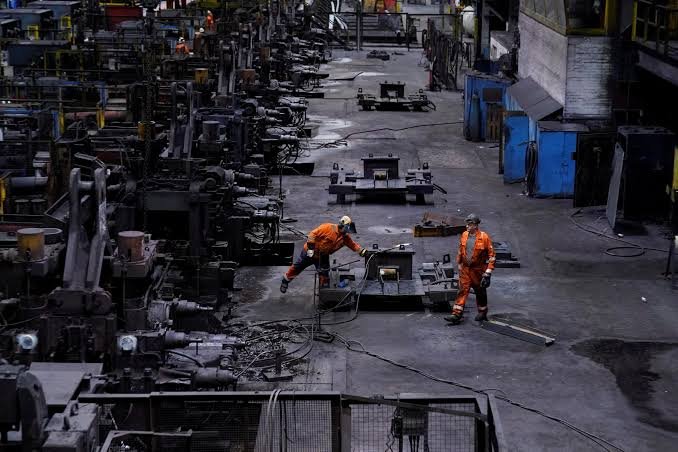
US companies are already dealing with rising energy costs, tariffs and supply-chain inflation. Manufacturers are reporting sharp increases in raw materials, freight and energy costs, while the AI infrastructure boom continues to push demand for electronics and other critical components.
That creates an uncomfortable combination for American businesses: higher costs at the same time that the cost of money is rising.
The Details
The Federal Reserve’s September meeting began on September 15, with its interest-rate decision expected on September 16.
Investors have increasingly been pricing in a 25-basis-point rate increase after August inflation data came in hotter than expected. US consumer-price inflation remained elevated at 3.4% year over year in August, while core inflation also showed signs of renewed pressure.
The pressure isn’t coming from just one direction.
Oil prices have climbed sharply as the conflict involving Iran and disruptions to energy infrastructure raise concerns about global supply. Brent crude has moved above $100 a barrel, increasing transportation and manufacturing costs for companies across the US economy.
At the same time, the US Treasury market is sending another warning.
The 10-year Treasury yield briefly moved above 5%, its highest level since 2007, increasing the cost of borrowing across the economy. When Treasury yields rise, businesses typically face higher financing costs for everything from corporate debt to expansion projects.
For smaller businesses, the impact can be particularly significant.
A company refinancing a loan at a higher rate has less cash available for hiring, equipment, marketing or expansion. Businesses that rely heavily on variable-rate borrowing can also see their interest expenses increase almost immediately.
Why Businesses Are Watching the Fed So Closely
The unusual part of the current situation is that the Fed is dealing with conflicting signals.
The economy remains relatively resilient, with corporate earnings and consumer spending providing support for businesses.
But inflation is still above the Federal Reserve’s 2% target, while higher oil prices and tariffs threaten to create another wave of price increases.
That makes the central bank’s decision much more complicated.
Cutting rates could provide relief to businesses and consumers, but it could also risk allowing inflation to become more persistent.
Keeping rates high or raising them could help contain inflation, but it would increase pressure on companies that are already facing higher costs.
That is why the September decision could become one of the most important economic events of the second half of 2026.
The AI Economy Faces a Different Problem
The AI industry adds another layer to the story.
AI companies and data-center operators are spending enormous amounts on computing infrastructure, chips, electricity and physical facilities.
That investment has helped support demand across parts of the US economy, but it also means the AI boom is unusually sensitive to financing conditions.
Higher interest rates make massive infrastructure projects more expensive.
At the same time, manufacturers are already reporting shortages and higher prices for electronics and components needed by AI data centers.
This creates a potential feedback loop.
Higher AI demand pushes up equipment and infrastructure costs.
Higher inflation puts pressure on the Fed.
Higher interest rates increase the cost of financing new AI infrastructure.
The result could eventually force technology companies to become more selective about which projects they build.
What This Means for American Businesses
For businesses, the Fed decision is ultimately about more than the headline interest rate.
It is about the cost of capital.
Companies that need to borrow money, refinance debt or fund major expansion projects will be particularly sensitive to what happens next.
Businesses with strong cash reserves and low debt are in a much stronger position.
That could accelerate a broader divide between financially strong companies and smaller businesses operating with thinner margins.
The same pressure could also affect hiring.
When borrowing becomes more expensive and input costs rise, companies have fewer resources available for expansion. That doesn’t necessarily mean widespread layoffs, but it can mean slower hiring, delayed expansion plans and greater focus on productivity.
What This Means for Consumers
The consequences will eventually reach consumers.
If businesses face higher costs, some will attempt to pass those increases on through higher prices.
That could make inflation more persistent.
Higher interest rates also directly affect mortgages, credit cards, auto loans and other forms of consumer borrowing.
The result is a difficult environment in which consumers can face higher prices and higher borrowing costs at the same time.
What’s Next
The immediate focus is the Federal Reserve’s September 16 decision and, more importantly, what Fed Chair Kevin Warsh says about the months ahead.
Investors will be looking for clues about whether this is a one-time response to inflation or the beginning of a longer period of tighter monetary policy.
Businesses will be watching something even more practical:
How expensive will money be over the next 12 months?
If oil prices remain above $100, inflation stays elevated and Treasury yields remain high, companies may need to rethink expansion plans that looked attractive only a few months ago.
For American businesses, the era of cheap money may be facing another major test.
FAQ
Why is the Federal Reserve considering higher interest rates?
Inflation remains above the Fed’s 2% target, while rising energy prices and tariff-related costs are creating additional inflation pressure. Markets have increasingly expected a 25-basis-point rate increase at the September meeting.
How do higher interest rates affect businesses?
Higher rates increase borrowing and refinancing costs. Companies may respond by delaying expansion, reducing investment, slowing hiring or raising prices.
Why are oil prices important for US businesses?
Oil affects transportation, manufacturing, logistics and many other business costs. Brent crude has moved above $100 a barrel, creating another source of inflation pressure for companies.
Could higher interest rates hurt the AI industry?
Yes. AI companies are investing heavily in data centers, chips and infrastructure. Higher financing costs could make some large infrastructure projects more expensive, although strong demand for AI remains a major source of corporate investment.