Oil prices have been on a wild ride this month, and diplomacy — not just supply — is now the biggest factor moving the needle. Brent crude has slid to near one-month lows as Iran and Oman edge toward a deal over the Strait of Hormuz, offering a glimmer of relief for drivers in the US, UK, and Australia who’ve watched pump prices swing with every headline out of the Gulf.
Why It Matters
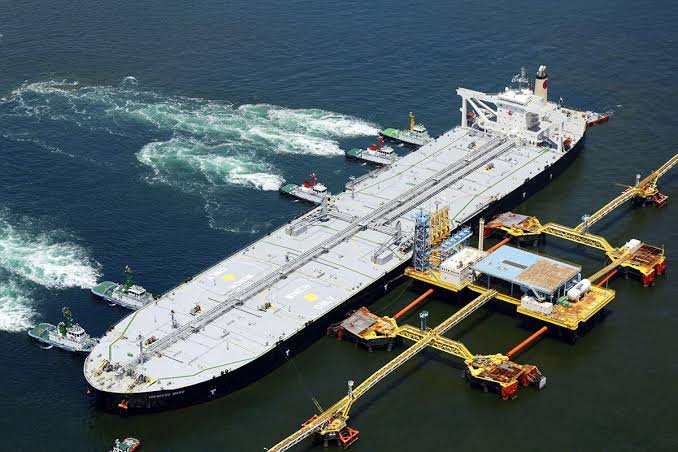
Whatever happens in the Strait of Hormuz doesn’t stay in the Gulf — it shows up at your local petrol station within days. Around a fifth of the world’s oil and gas passes through this single 33-kilometer waterway, so any disruption or easing there ripples through prices in London, Sydney, and every US state simultaneously. If you’ve noticed gas prices bouncing around more than usual lately, this is almost certainly why.
The Details
(cite index=”21-1″>Oil prices fell about 3% to a near one-month low this week, with Brent dropping below $86 a barrel and US benchmark WTI sliding below $80, after (cite index=”21-1″>Oman’s foreign minister held what was described as “constructive dialogue” with his Iranian counterpart in Tehran, raising hopes for restored safe navigation through the Strait of Hormuz. (cite index=”22-1″>Brent crude futures specifically declined 2.5% to $86.38 a barrel and WTI dropped 2.2% to $80.52 as (cite index=”22-1″>concerns about military conflict in the Gulf eased and traders weighed the prospects of an Iran-Oman deal.
(cite index=”19-1″>Iran’s military confirmed it had reached a revenue-sharing agreement with Oman over the strait’s waters, though Tehran was careful to stress that the arrangement doesn’t guarantee the strait will reopen immediately. (cite index=”24-1″>Under the framework, both countries aim to establish a lasting shipping lane and settle questions of future governance over the waterway, but energy analysts at ING have cautioned that even a successful Iran-Oman deal wouldn’t restore oil flows to pre-conflict levels on its own — that would also require the US to end its naval blockade of Iranian facilities and ease its economic sanctions.
That last point matters, because Washington isn’t rushing to soften its stance. (cite index=”24-1″>The US actually imposed enhanced economic penalties on Iran this week and warned other countries against trading with Tehran, prompting Iranian officials to accuse Washington of deliberately undermining progress on a Hormuz arrangement. (cite index=”23-1″>Separately, the Trump administration told mediators it has no interest in reviving the terms of a preliminary deal it struck with Iran back in June, which later collapsed.
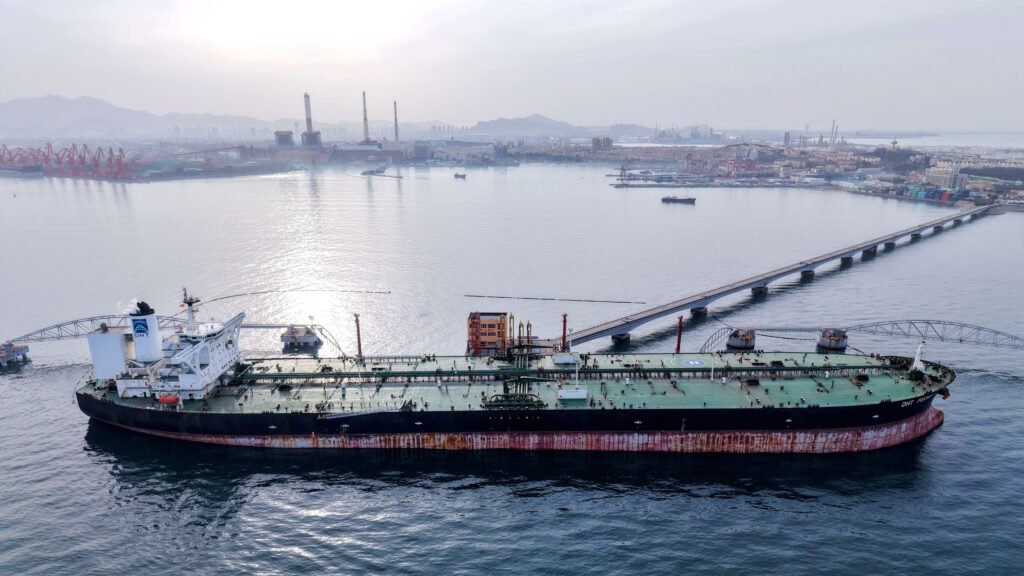
Supply is recovering, but slowly and unevenly. (cite index=”23-1″>Goldman Sachs estimates that oil exports from the Persian Gulf have climbed back to roughly two-thirds of pre-war levels, with total crude exports from the region now around 15-16 million barrels per day — still 7-8 million barrels below pre-conflict volumes, though well above the trough of 5-6 million barrels hit in March. (cite index=”19-1″>Saudi Arabia has also been increasing oil loadings from its Persian Gulf terminals as it looks for alternatives to shipping routes exposed to Houthi attacks in the Red Sea.
It’s also worth remembering how far prices have already fallen from their peak. (cite index=”20-1″>Brent’s current levels remain well below last month’s surge above $100 a barrel, and far below the peak above $110 hit in May — a reminder of just how sharply the geopolitical risk premium has already unwound.
What This Means for Drivers and Household Budgets
The honest takeaway is that this relief is conditional, not settled. (cite index=”21-1″>A Saxo Bank commodity strategist described the shift in sentiment as swift, noting the market’s focus has moved from renewed tension to diplomacy — but cautioned that the physical energy market “remains far from normal,” meaning traders are pricing in supply improvements that haven’t actually happened yet. That gap between sentiment and reality is exactly why oil prices could snap back quickly if talks stall.
There’s also a second front to watch that has nothing to do with Iran. (cite index=”19-1″>Growing concern over further escalation in the Russia-Ukraine war is adding fresh uncertainty, as continued Ukrainian strikes on Russian refineries and export terminals threaten to disrupt Russia’s ability to export crude and refined products — a supply risk that could offset any relief coming from the Gulf.
For household budgets, the knock-on effects go beyond the pump. Fuel costs feed directly into airfares, food delivery and freight pricing, and household heating bills — all areas where UK and Australian consumers in particular tend to feel currency-adjusted price swings more acutely than in the US. If the Iran-Oman framework holds and Gulf exports keep climbing back toward pre-war levels, expect gradual relief across all of these categories over the next one to two months rather than an overnight drop.
What’s Next
Watch for whether Iran follows through on actually reopening full transit through Hormuz, rather than just the revenue-sharing framework — Tehran has been explicit that a full reopening depends on the war ending, sanctions easing, and the status of Yemen being resolved, none of which are close to settled. Also worth tracking: any further Ukrainian strikes on Russian energy infrastructure, which could offset Gulf-driven price relief, and whether Washington’s harder sanctions stance this week signals a longer standoff rather than a genuine diplomatic opening.
FAQ
Why are oil prices falling right now? Oil prices have dropped roughly 7% over the past week mainly because Iran and Oman have made diplomatic progress toward reopening safer shipping routes through the Strait of Hormuz, easing fears of a prolonged supply disruption from the Gulf.
Will gas prices actually go down because of this? Possibly, but with a lag — pump prices typically follow crude oil price changes by one to three weeks, and any drop depends on the Iran-Oman agreement holding and translating into an actual increase in oil flowing through the strait, not just a diplomatic framework.
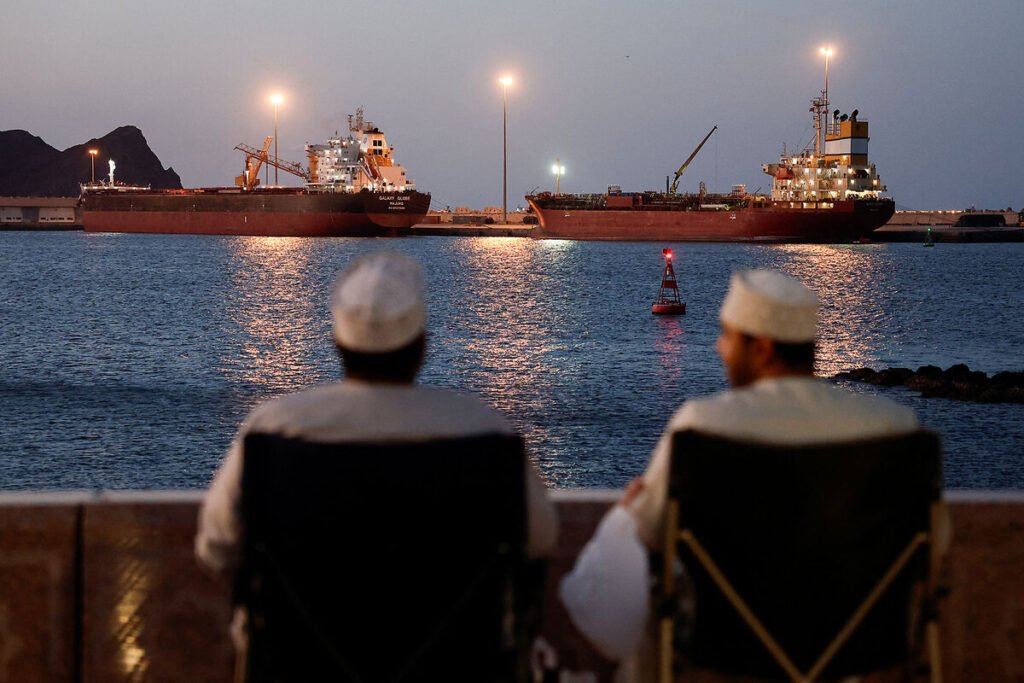
What is the Strait of Hormuz and why does it matter so much? It’s a narrow shipping channel between Iran and Oman that roughly a fifth of the world’s seaborne oil and gas exports pass through. Any disruption there — military, political, or logistical — tends to move global oil prices immediately because there’s no comparably efficient alternate route.