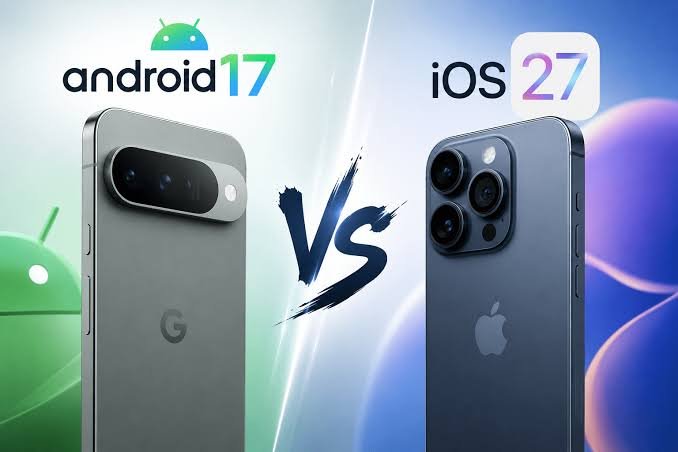
The biggest smartphone software battle of 2026 is no longer simply about widgets, icons or animations.
It is increasingly about artificial intelligence.
Apple has released iOS 27, bringing its biggest Siri upgrade in years alongside new Apple Intelligence features.
Google has released Android 17, pushing Android further toward AI-assisted computing, large-screen devices, privacy and autonomous workflows.
Both operating systems are now trying to solve the same problem:
How do you make a smartphone more useful without making it more complicated?
But Apple and Google are taking noticeably different approaches.
Apple is putting Siri AI at the centre of the iPhone experience.
Google is building Android around Gemini, adaptive interfaces, AI agents, multitasking and greater device flexibility.
Here’s how the two systems compare.
iOS 27 vs Android 17: Quick Comparison
| Feature | iOS 27 | Android 17 |
|---|---|---|
| Release | September 14, 2026 | June 16, 2026 |
| AI assistant | Siri AI | Gemini / Android AI features |
| AI personal context | Yes | Yes, depending on device/services |
| On-screen intelligence | Yes | Yes |
| AI automation | Apple Intelligence / Siri | Agentic automation capabilities |
| Foldable support | Optimized for iPhone Duo | Strong large-screen/foldable support |
| Multitasking | Improved on iPhone Duo | Multi-window, Bubbles, large-screen features |
| Privacy | Apple Intelligence privacy architecture | Advanced Protection Mode + granular permissions |
| AI availability | Device/language dependent | Device/manufacturer dependent |
| Update model | Apple controls hardware + software | Depends on manufacturer/carrier |
| Ecosystem | iPhone, Mac, iPad, Watch, AirPods | Pixel, Samsung, OnePlus and others |
| Customization | More controlled | More flexible |
| App ecosystem | Highly controlled | More open |
| Security | Apple-controlled platform | Android Advanced Protection + Google Play Protect |
1. AI: Siri AI vs Gemini
This is the biggest battle.
Apple’s iOS 27 introduces Siri AI, which Apple describes as a new generation of Siri with:
- Personal context understanding
- On-screen awareness
- Broader world knowledge
- Cross-app actions
- Conversational interaction
- Writing assistance
- Visual Intelligence
For example, Siri can use information from your photos, emails and notes and take actions across apps.
That is a major shift from the old Siri model.
The assistant is moving from:
“Answer my question.”
toward:
“Understand what I’m trying to do and help me complete it.”
Android is moving in a similar direction.
Google is increasingly positioning Gemini as a system-level intelligence layer.
Android 17 also establishes a framework for agentic automation, allowing AI agents to automate workflows under defined system and management controls.
This is where the two platforms are beginning to converge.
2. AI Is Becoming an Operating-System Feature
The important change is that AI is no longer simply an app.
Five years ago, you could download an AI chatbot.
Now the operating system itself is becoming the AI interface.
On iOS 27, Siri can understand what’s on the screen and interact with information across Apple’s applications.
Android 17 is moving toward AI-assisted workflows and cross-device experiences.
That means future smartphones may increasingly operate like this:
You don’t open an app.
You tell the phone what you want.
The operating system figures out which application or service needs to perform the task.
That’s a fundamental change in smartphone design.
3. Privacy: Apple vs Android
Apple has traditionally positioned privacy as a core part of its platform strategy.
iOS 27 continues this approach with Apple Intelligence features designed around privacy and on-device processing where possible.
But Android 17 is becoming much more aggressive about security and privacy too.
One of the biggest additions is Android Advanced Protection Mode.
It can:
- Block app installations from unknown sources
- Strengthen security protections
- Require Google Play Protect scanning
- Reduce the attack surface of the device
Android 17 also introduces a new local-network permission and enhanced location transparency.
The platform adds a real-time location indicator that can show users when an application is accessing location data.
So the old assumption that:
iPhone = privacy
and
Android = flexibility
is becoming increasingly outdated.
Both platforms now treat privacy as a competitive feature.
4. Customization: Android Still Takes the More Flexible Approach
This is one area where the philosophies remain different.
Apple has gradually opened up iOS customization.
iOS 27 continues that process with more control over the appearance of the Liquid Glass interface.
Apple now allows users to adjust how Liquid Glass looks, including transparency and tint.
But Apple still controls the fundamental design language.
Android remains more flexible.
Depending on the manufacturer, users can customize:
- Launchers
- Widgets
- Icons
- Default applications
- Multi-window behavior
- Lock screens
- Themes
- System interfaces
Samsung takes this even further with One UI.
Google’s Pixel interface is more controlled, but Android as a platform remains more customizable than iOS.
5. Multitasking: Android Has the Advantage — Especially on Foldables
This is becoming extremely important because foldable phones are growing.
Android 17 has been specifically designed with large-screen devices in mind.
Google has introduced improved Bubbles functionality, allowing users to access multiple apps more efficiently.
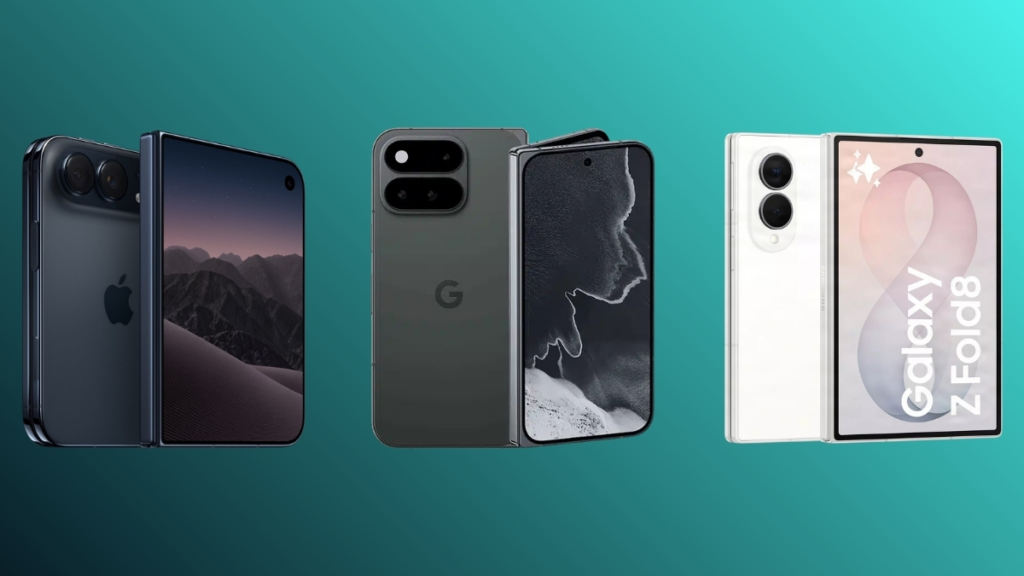
Android 17 also strengthens large-screen and foldable support.
This matters because a foldable phone is essentially two devices:
a phone when closed
and
a mini-tablet when open.
Android has spent years developing software around that concept.
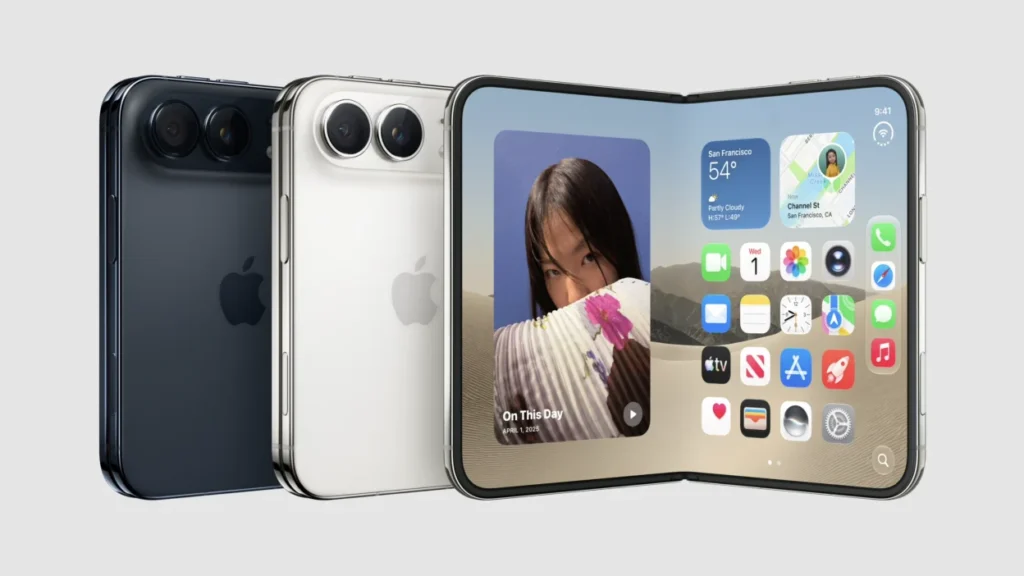
Apple is only now doing it with the iPhone Duo.
iOS 27 has been redesigned to support the Duo’s different orientations and screen configurations.
But Android’s advantage is ecosystem maturity.
Samsung has already spent several generations teaching Android applications how to behave on foldable screens.
6. Updates: Apple’s Biggest Structural Advantage
This is one of the most important differences between the two platforms.
Apple controls:
hardware + operating system + processor + software distribution.
That allows Apple to push major iOS releases directly to supported iPhones.
Android is different.
Google develops Android.
But Samsung, Xiaomi, OnePlus, Motorola and other manufacturers build their own hardware and software layers.
That means Android 17 availability depends on the manufacturer and device.
Google says Android 17 updates are rolled out in stages and that eligibility depends on the device manufacturer and carrier.
This creates fragmentation.
A Pixel user and a Samsung user can technically be running Android 17 while having noticeably different experiences.
7. Large Screens and Foldables
This may become the most important software battleground of the next few years.
Android 17 has a clear head start.
Google has made large-screen adaptivity a major part of the platform, and Android 17 includes features specifically designed for foldables and tablets.
Apple’s iOS 27 is now adapting iOS for the iPhone Duo.
That is significant because Apple has historically designed iOS primarily around the conventional smartphone form factor.
The Duo changes that.
Apple now has to make applications behave correctly when the phone transforms from a 5.4-inch device into a 7.6-inch device.
If developers embrace Apple’s foldable APIs quickly, the Duo could become a major new software category.
If they don’t, the hardware could feel constrained.
8. Performance: Apple Controls the Whole Stack
Another major difference is hardware integration.
Apple designs its own processors and tightly integrates them with iOS.
The A20 Pro in the iPhone Duo has:
- 6-core CPU
- 7-core GPU
- Neural accelerators
- Dual 16-core Neural Engine
- Hardware-accelerated ray tracing
Android 17 runs across a much wider hardware ecosystem.
A Pixel may use Google’s Tensor G6.
A Samsung flagship may use Snapdragon.
Another Android phone may use a MediaTek chip.
That creates a major advantage for Android in terms of choice.
But it also makes optimization more difficult.
Apple has fewer hardware combinations to optimize for.
9. AI Hardware Is Becoming More Important
The next generation of smartphones will increasingly be judged by their ability to run AI locally.
That means the Neural Engine, NPU and other AI accelerators are becoming as important as CPU clock speeds.
Apple has been building dedicated Neural Engine hardware into its chips for years.
Google is taking a similar approach with Tensor.
Android 17 also includes new requirements around direct NPU access for applications targeting the latest platform.
The direction is clear:
AI processing is moving deeper into the operating system.
10. Gaming
Android has historically offered more hardware diversity and customization.
iPhone has historically benefited from extremely strong developer optimization.
iOS 27 continues Apple’s gaming push while the A20 Pro provides hardware-accelerated ray tracing.
Android 17 also introduces improved gaming controls, including customizable gamepad controls and foldable-oriented gaming features.
For serious mobile gaming, the individual phone matters almost as much as the operating system.
A high-end Snapdragon Android phone and a Tensor-powered Pixel can behave very differently even though both run Android 17.
11. Cross-Device Ecosystem
This is where both companies are extremely strong.
Apple’s ecosystem connects:
- iPhone
- Mac
- iPad
- Apple Watch
- AirPods
- Apple TV
Android has a broader hardware ecosystem.
Google can connect Android with:
- Pixel
- Chromebook
- Wear OS
- Google TV
- Google services
Samsung adds another major layer through:
- Galaxy phones
- Galaxy tablets
- Galaxy Watch
- Galaxy Buds
- Windows integration
- DeX
The difference is philosophical.
Apple gives you a tightly integrated ecosystem controlled by one company.
Android gives you more hardware choice.
12. The Most Important Difference: Control vs Choice
This may ultimately define the entire iOS vs Android debate.
Apple’s approach is:
Control the experience.
Google’s approach is:
Give users and manufacturers more flexibility.
Neither approach is disappearing.
Instead, AI is forcing both companies to move closer together.
Apple is becoming more flexible.
Android is becoming more integrated.
iOS 27 vs Android 17: Where the Platforms Are Heading
The smartphone operating system is changing.
For years, software updates were mostly about:
- Better cameras
- Better notifications
- New widgets
- Visual redesigns
- Battery improvements
Now the biggest changes are happening underneath.
AI is becoming the interface.
Instead of opening Google Maps, you may ask an AI assistant to plan your journey.
Instead of searching through Photos, you may ask the assistant to find a specific picture.
Instead of opening multiple applications, the operating system may complete a task across several apps automatically.
That is the real significance of iOS 27 and Android 17.
What This Means for Consumers
The choice is becoming less about which operating system has the most features.
It’s about which ecosystem fits the way you use technology.
iOS 27 makes particular sense for:
- Existing Apple users
- Mac owners
- Apple Watch users
- People who value controlled software updates
- Users who want deep Apple Intelligence integration
- People considering the iPhone Duo
Android 17 makes particular sense for:
- Users who value customization
- Foldable-phone buyers
- People who want hardware choice
- Users who prefer deeper multitasking
- People heavily invested in Google’s services
- Samsung users who want Galaxy AI and One UI features
The Bigger Picture
The most interesting thing about iOS 27 vs Android 17 is that the two operating systems are becoming more similar in their ambitions.
Apple wants Siri to understand context and take action.
Google wants Gemini and Android agents to do the same.
Apple wants iOS to work better on foldables.
Google wants Android to become better on large screens.
Apple is expanding customization.
Android is strengthening privacy and security.
The old smartphone battle was about features.
The new battle is about intelligence.
And the winner of that battle may not be determined by who has the better-looking interface.
It will be determined by which operating system can understand what the user wants — and complete it with the fewest steps.
FAQ
What is the latest iPhone software?
As of September 2026, the latest major iPhone operating system is iOS 27.
What is the latest Android version?
The latest major Android release is Android 17, released by Google in June 2026.
Does iOS 27 have AI?
Yes. iOS 27 introduces Siri AI and expands Apple Intelligence with features including personal context, onscreen awareness and cross-app actions.
Does Android 17 have AI?
Yes. Android 17 includes AI-focused platform capabilities, and Google’s broader Android ecosystem increasingly integrates Gemini and agentic features.
Which software is more customizable?
Android generally offers more system-level customization, although Apple has significantly expanded customization in recent iOS versions.
Which is better for foldable phones?
Android currently has more mature foldable support because Samsung, Google and other manufacturers have been developing foldable devices for several generations. iOS 27 is Apple’s first major attempt to adapt iOS specifically to a foldable iPhone.
Which gets software updates more consistently?
Apple has a more centralized update model because it controls both iPhone hardware and iOS. Android updates vary by manufacturer and device, although Google and major manufacturers now offer substantially longer support than they did historically.
Is iOS 27 available on older iPhones?
iOS 27 supports a broad range of iPhones, while some of the most advanced Apple Intelligence features require Apple Intelligence-capable hardware.
Related reading:
- iPhone Duo vs Galaxy Z Fold8 vs Pixel 11 Pro Fold
- iOS 27: The Biggest New Features Explained
- Android 17: Everything You Need to Know
- Apple Intelligence vs Gemini: The AI Battle Inside Your Phone