Smart glasses were supposed to be the next big step in wearable technology.
Now they are becoming something else too:
A privacy problem.
French prosecutors and regulators have intensified scrutiny of smart glasses following concerns about people being recorded without their knowledge.
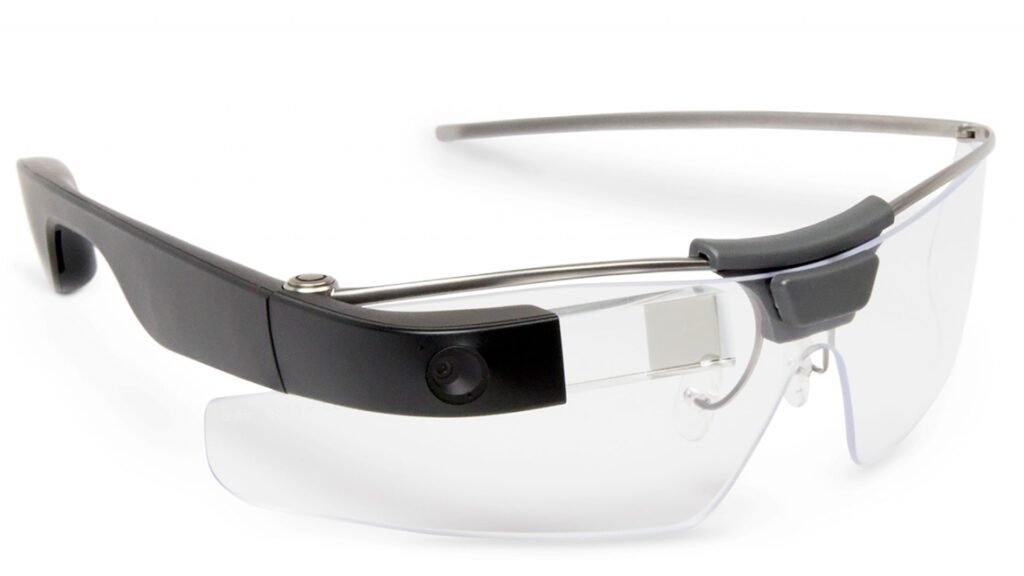
The issue has become particularly sensitive because modern smart glasses can contain cameras, microphones and AI-powered features while looking almost identical to ordinary eyewear.
And the technology is no longer niche.
Meta’s AI-enabled smart glasses, developed with EssilorLuxottica, reportedly accounted for around 76% of the global smart-glasses market and sold approximately 7 million units last year.
That changes the privacy debate completely.
This is no longer a question about a few technology enthusiasts.
Millions of people could soon be wearing cameras on their faces.
Why It Matters
A smartphone camera is obvious.
Someone holding up a phone is visibly recording.
Smart glasses are different.
A person can look directly at you while recording without you necessarily knowing.
That creates a fundamental privacy problem:
How do you give meaningful consent when the recording device is almost invisible?
The industry has attempted to address this through indicator lights and other signals.
But regulators are increasingly questioning whether those measures are enough.
The Details
French authorities have stepped up scrutiny after concerns surrounding the use of smart glasses for recording and harassment.
France’s data protection regulator has also received workplace-related complaints and increasing questions from businesses about whether smart glasses should be allowed in certain environments.
Other countries and organizations are also responding.
Some cinemas in the UK have reportedly restricted the use of smart glasses.
Australia and Germany have also been examining the issue.
The common concern is simple:
People cannot easily tell when they are being recorded.
Why Smart Glasses Are Different
The technology is attractive because it solves a problem smartphones created.
Instead of pulling out your phone, you can simply look at something.
Smart glasses can potentially:
- Translate conversations
- Identify objects
- Provide directions
- Answer questions
- Record video
- Take photographs
- Provide AI assistance
- Play audio
- Connect to other devices
That makes them potentially much more useful than traditional smartwatches.
But every useful feature introduces another privacy question.
Translation
If the glasses listen continuously, where does the audio go?
AI assistance
If the glasses analyze what you see, is visual data uploaded to a cloud service?
Camera
If you record a conversation, does the other person know?
Facial recognition
If future glasses can identify people, should that be legal in public spaces?
These questions are arriving before governments have established universal rules.
Meta’s Advantage
Meta has a significant head start.
Its partnership with EssilorLuxottica gives the company access to an established eyewear ecosystem while its AI infrastructure provides the software layer.
The reported 76% market share demonstrates how quickly Meta has established itself in this category.
The company’s advantage is not simply hardware.
It is the combination of:
Glasses + cameras + microphones + AI + social media + cloud infrastructure.
That combination could make smart glasses one of the most important new technology platforms of the decade.
But Privacy Could Become the Biggest Barrier
Technology adoption often depends on trust.
People accepted smartphones because they understood how they worked.
They accepted security cameras because cameras were visible.
Smart glasses create a different psychological problem.
The device is attached to a person’s face.
It can potentially record the people around them continuously.
That makes social acceptance just as important as technical performance.
If people start feeling uncomfortable around someone wearing AI glasses, adoption could slow down.
What This Means for the Technology Industry
The smart-glasses market is moving into a new phase.
The first phase was:
Can we make smart glasses useful?
The next phase is:
Can society accept people wearing them everywhere?
That is a much harder question.
Technology companies may eventually need stronger privacy controls, clearer recording indicators and location-based restrictions.
Businesses may create designated “no smart glasses” zones.
Schools, hospitals, cinemas and workplaces could establish their own rules.
In other words, smart glasses could end up creating an entirely new layer of social etiquette.
What’s Next?
The biggest development to watch is whether governments move toward standardized rules.
If regulations remain fragmented, companies could face different requirements across different countries.
That would increase complexity.
But if regulators establish clear rules around recording, consent and data storage, the industry could benefit from greater consumer confidence.
Smart glasses have the potential to become one of the biggest wearable categories in technology.
But the technology will only succeed if people are comfortable being around it.
The biggest challenge for smart glasses may therefore not be battery life, AI accuracy or design.
It may be trust.
FAQ
How big is the smart-glasses market?
Meta’s AI-enabled glasses reportedly represented around 76% of the global market and sold approximately 7 million units last year.
Why are governments concerned about smart glasses?
The main concern is that people may be recorded without realizing it.
Can smart glasses record video?
Yes. Modern AI-enabled smart glasses can include cameras capable of recording photographs and video.
Are smart glasses banned in the UK?
There is no universal UK ban, but some venues such as cinemas have reportedly introduced restrictions.
Could smart glasses replace smartphones?
They are unlikely to completely replace smartphones in the near term, but they could become an important complementary computing platform.
Related reading:
- Why AI Glasses Could Become the Next Big Computing Platform
- Meta’s AI Strategy Is Getting Bigger
- The Privacy Problem Nobody Solved for AI
- What Happens When Cameras Become Wearable?