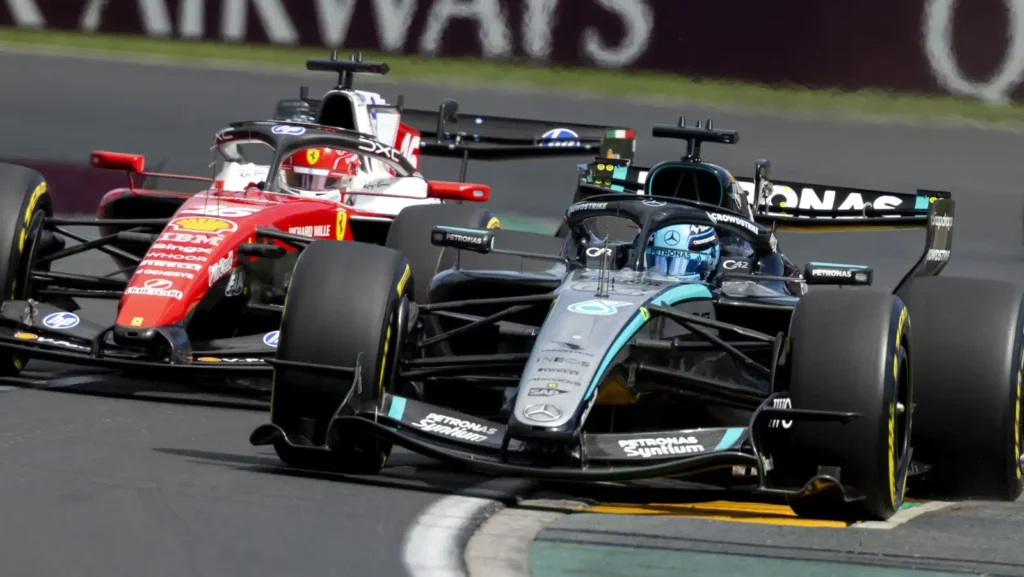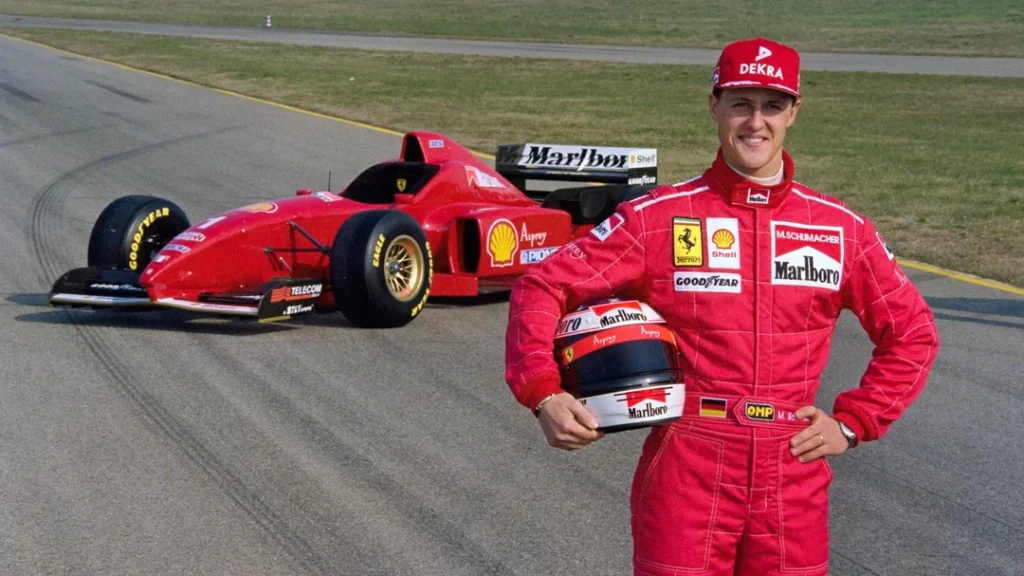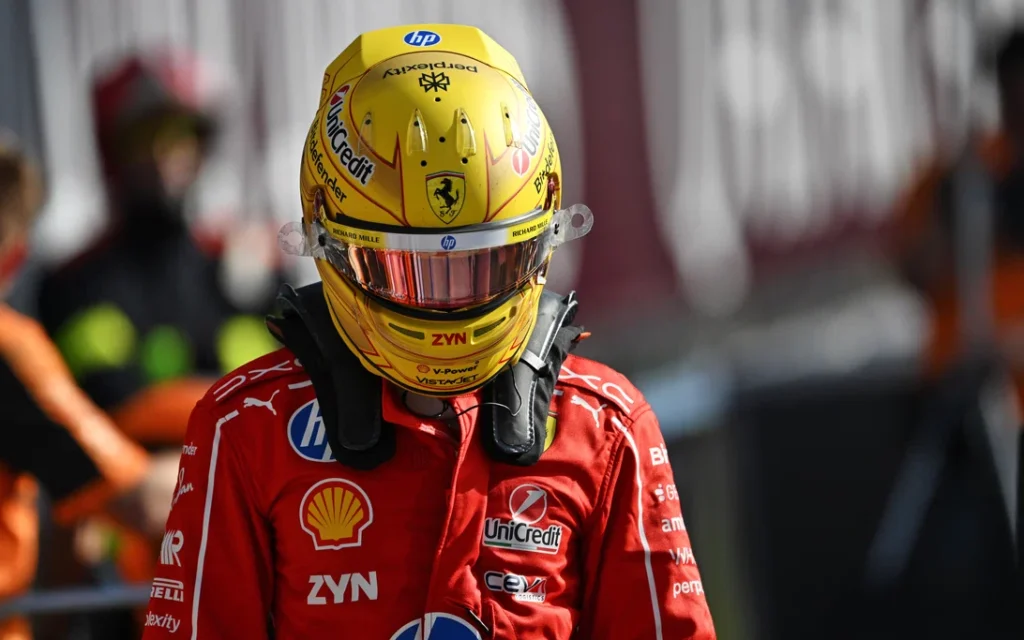
Lewis Hamilton joined Ferrari with one of the biggest stories in Formula 1 behind him: seven world championships, 105 race wins and a reputation as one of the sport’s greatest drivers. But his Ferrari chapter has not yet produced the results many expected. As the 2026 season develops, the bigger question is no longer simply whether Hamilton can win with Ferrari — it is whether Ferrari is giving him the environment he needs to succeed.
Why It Matters
Hamilton’s move to Ferrari was supposed to be one of the defining moments of modern Formula 1.
Ferrari was getting the most successful driver of his generation, while Hamilton was finally getting the chance to drive for the most famous team in F1.
The expectation was obvious: Ferrari would give Hamilton a championship-capable car, and Hamilton would provide the experience and racecraft needed to convert that potential into victories.
Instead, the relationship has entered a more complicated phase.
Hamilton’s results have not consistently matched the expectations surrounding his arrival, while Ferrari has continued to struggle with the same problems that have frustrated the team for years: inconsistent performance, strategic mistakes, tyre management and difficulty turning promising weekends into complete victories.
That creates an uncomfortable question for Ferrari.
Is Hamilton struggling to adapt to Ferrari, or is Ferrari failing to give Hamilton the car and operational environment he needs?
The Details
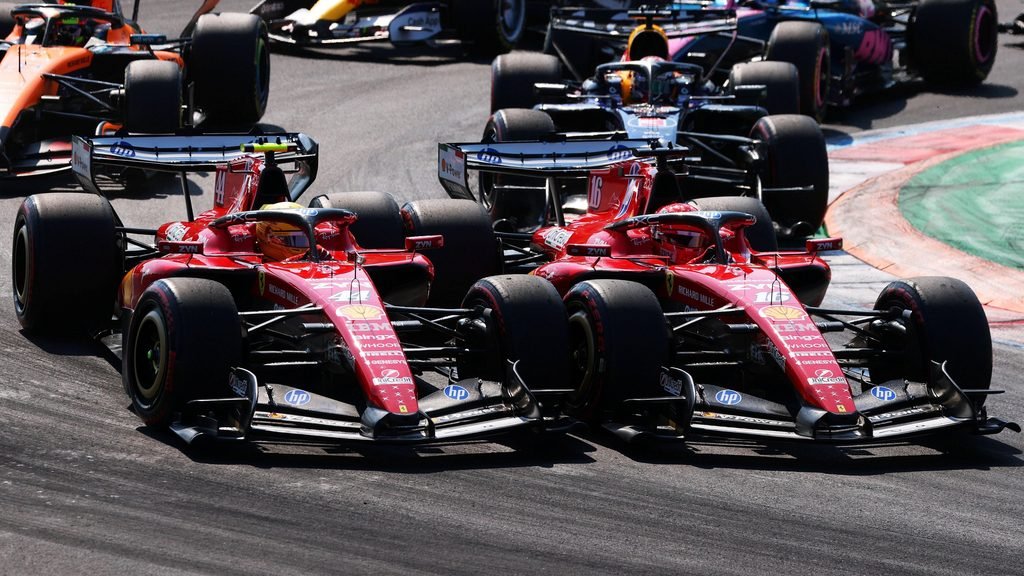
Hamilton’s move to Ferrari was never going to be easy.
He spent more than a decade at Mercedes, where the entire team was built around a deeply established working relationship between driver, engineers and management.
Ferrari represents almost the opposite environment.
The pressure is enormous, the Italian media follows the team intensely and every mistake receives disproportionate attention.
But the biggest issue is not simply adaptation.
It is competitiveness.
A Formula 1 driver can only influence part of the result. Hamilton can qualify, manage tyres, make strategic decisions and extract performance from the car, but he cannot overcome fundamental weaknesses in the chassis, power unit or race strategy.
That distinction has become increasingly important at Ferrari.
The team has repeatedly shown flashes of pace but struggled to turn those flashes into consistent championship-level performance.
When Ferrari gets the car right, expectations immediately rise.
When the team makes a strategic error or fails to maximize the package, the attention quickly turns toward the drivers.
That creates a difficult environment for Hamilton.
Ferrari’s Biggest Problem With Hamilton May Not Be Hamilton
The temptation is to look at Hamilton’s results and conclude that age or adaptation is becoming a problem.
But that explanation is too simplistic.
Hamilton remains one of the most experienced drivers on the grid, and his greatest strength has never been raw qualifying pace alone.
His value comes from his ability to understand race dynamics, manage tyres, communicate technical problems and make decisions during changing conditions.
For those qualities to matter, Ferrari needs to give him a car that responds predictably.
A difficult car can make even an elite driver look inconsistent.
That is particularly true when a driver moves from one technical philosophy to another.
Hamilton spent years understanding Mercedes machinery. Ferrari’s car can behave differently under braking, through corners and during tyre degradation.
The longer it takes to understand those characteristics, the more difficult it becomes to consistently extract the final few tenths.
The Strategy Problem
Strategy is another area where Ferrari has repeatedly attracted criticism.
Formula 1 races are often decided by decisions made within seconds.
When to pit.
Which tyre to use.
Whether to cover a rival.
Whether to stay out during a safety car.
Whether to gamble on changing weather.
Ferrari has a long history of making strategy decisions that appear logical on paper but become problematic once the race develops.
For Hamilton, this is particularly frustrating because he has spent years operating at teams where race strategy was one of Mercedes’ strongest competitive weapons.
A driver can deliver an exceptional stint and still lose the opportunity because the pit wall makes the wrong call.
That can damage confidence because the driver knows the result was outside his control.
Ferrari Also Has a Communication Problem
There is another subtle issue.
Ferrari operates under extraordinary external pressure.
Every radio message can become a headline.
Every disagreement can become a story.
Every poor result can become a debate about whether the driver, team principal or engineers are responsible.
Hamilton is therefore competing inside a much louder environment than the one he experienced at Mercedes.
That doesn’t necessarily make Ferrari dysfunctional.
But it does mean the team needs unusually strong internal communication.
The driver must trust the engineers.
The engineers must trust the driver.
The strategy team must communicate clearly.
And everyone needs to remain calm when a race begins to go wrong.
If that trust isn’t there, small problems quickly become bigger ones.
What This Means for Hamilton’s Future
Hamilton’s future at Ferrari should not be judged solely by individual race results.
The more important question is whether Ferrari is building a competitive structure around him.
If the team can produce a genuinely championship-capable car and eliminate recurring strategic mistakes, Hamilton still has the experience to become a major factor in the title fight.
But if Ferrari continues producing a car that is fast on some weekends and compromised on others, Hamilton’s Ferrari career could become defined by missed opportunities rather than victories.
That would be a disappointing outcome for both sides.
Hamilton did not join Ferrari simply to add another famous team to his career.
He joined because Ferrari represented the one major challenge still missing from his legacy: winning a world championship in red.
The Bigger Problem: Time
Hamilton’s biggest opponent may not be Ferrari.
It may be the calendar.
At this stage of his career, every season matters.
A young driver can spend several years waiting for a team to develop a competitive car.
Hamilton does not have that luxury in the same way.
That makes Ferrari’s development decisions particularly important.
If the team spends another season solving fundamental problems, Hamilton’s window for adding an eighth championship becomes smaller.
The pressure is therefore not only on Hamilton to adapt to Ferrari.
Ferrari has to adapt to Hamilton too.
The team needs to maximize every competitive opportunity rather than assuming that another year will solve today’s problems.
What This Means for Ferrari
Ferrari needs to stop treating Hamilton as simply another driver.
Signing him created an obligation to build an organization capable of using his experience.
That means listening to his technical feedback, creating a predictable car, making faster strategic decisions and reducing the internal noise surrounding the team.
If Ferrari succeeds, Hamilton could become one of the most valuable assets in its championship campaign.
If Ferrari fails, the narrative could eventually shift from “Hamilton finally gets his Ferrari chance” to “Ferrari failed to capitalize on Hamilton.”
That would be a far more damaging legacy for the team.
What’s Next
The remainder of the season will reveal whether Ferrari’s problems are temporary or structural.
Watch the gap between Ferrari and the front-running teams.
Watch how quickly Ferrari reacts to technical problems.
Watch its pit-wall decisions during unpredictable races.
And most importantly, watch whether Hamilton’s performance improves as he becomes more comfortable with the Ferrari car.
If those trends move in the right direction, talk about Hamilton’s future at Ferrari will quickly disappear.
If they don’t, speculation about whether Ferrari can actually give Hamilton a championship-winning car will become impossible to ignore.
Hamilton’s Ferrari story is not finished.
But Ferrari has to start proving that it deserves to be the final chapter of his championship career.
FAQ
Why is Lewis Hamilton struggling at Ferrari?
The situation is more complicated than driver performance alone. Hamilton is adapting to a new car and technical philosophy after spending many years at Mercedes, while Ferrari continues to face questions around car consistency, strategy and race execution.
Is Lewis Hamilton leaving Ferrari?
There is no reason to assume an imminent departure simply because results have been disappointing. Hamilton’s Ferrari future will depend heavily on the team’s competitiveness and whether it can build a car capable of fighting for championships.
Can Lewis Hamilton still win another F1 championship?
Yes, but the biggest factor is Ferrari’s car. Hamilton’s experience and racecraft remain valuable, but no driver can consistently overcome a fundamental performance deficit.
What is Ferrari doing wrong with Hamilton?
The central issue is that Ferrari needs to maximize the package around him. A predictable car, stronger race strategy, better communication and faster development would give Hamilton a much better opportunity to demonstrate his ability.
Why did Lewis Hamilton join Ferrari?
Hamilton joined Ferrari because winning with the Scuderia represents one of the biggest remaining challenges of his career. A championship with Ferrari would add another defining chapter to his legacy.